
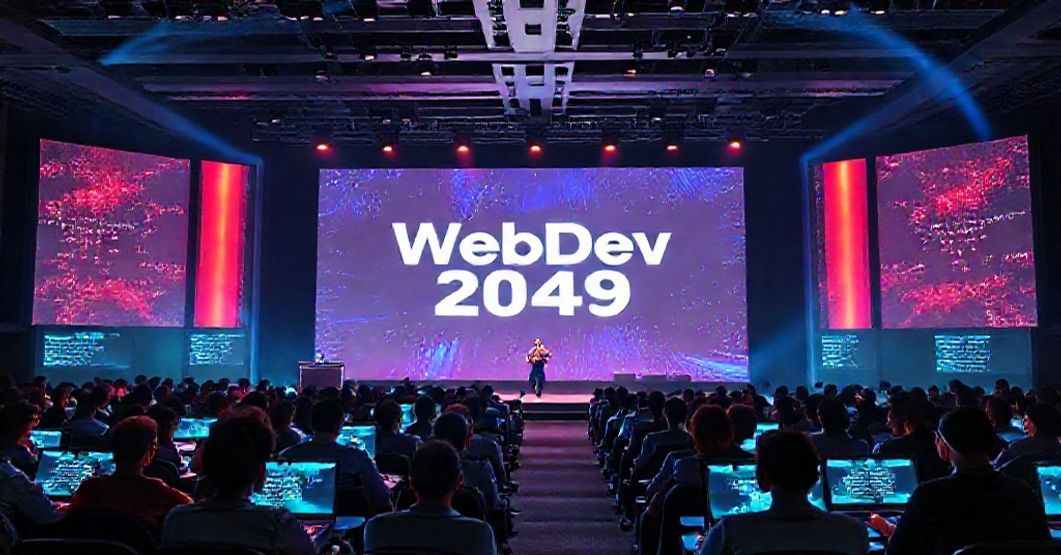
The Future of Web Development: Exploring Frontend, Backend, and Full-Stack Trends
Web development is an ever-evolving field that plays a crucial role in shaping the digital landscape. As technology advances, developers are constantly seeking innovative ways to create engaging and efficient web applications. In this blog post, we will delve into the exciting trends and advancements in frontend, backend, and full-stack web development, providing valuable insights for both seasoned developers and newcomers to the field.
Frontend Development: Enhancing User Experiences
User Interface (UI) Design: The frontend of a website is the face of any online platform, and UI design plays a pivotal role in creating an engaging user experience. Modern web developers are focusing on crafting intuitive, visually appealing interfaces that cater to different user needs.
- Responsive Design: With the proliferation of mobile devices, responsive design has become a necessity. Developers are implementing techniques like media queries and flexible grids to ensure websites adapt seamlessly to various screen sizes and orientations.
- Animation and Microinteractions: Subtle animations and microinteractions can elevate user engagement. From smooth page transitions to engaging hover effects, these elements add personality to a website.
- Progressive Web Apps (PWAs): PWAs offer the benefits of native mobile apps without the need for installation. Developers are leveraging technologies like Service Workers and HTML5 to create fast, reliable web applications that can be installed on home screens.
JavaScript Frameworks: JavaScript frameworks have revolutionized frontend development. Popular choices like React, Angular, and Vue provide developers with powerful tools for building dynamic user interfaces. These frameworks encourage modular code, efficient rendering, and reusable components, making development faster and more scalable.
Backend Development: Powering the Digital Ecosystem
Serverless Architecture: Serverless computing has gained traction as developers seek cost-effective solutions. By abstracting server management, serverless platforms like AWS Lambda and Google Cloud Functions enable developers to focus on code without worrying about infrastructure provisioning.
- APIs (Application Programming Interfaces): APIs are the backbone of modern web applications, enabling communication between different services. RESTful and GraphQL APIs have become popular choices for building scalable and efficient backend systems.
- NoSQL Databases: Traditional relational databases are making way for NoSQL alternatives like MongoDB and Cassandra. These non-relational databases offer flexibility, scalability, and ease of use, particularly in handling unstructured data.
- DevOps Practices: Continuous integration/continuous deployment (CI/CD) pipelines have become essential for backend development. DevOps practices streamline the software delivery process, enabling developers to release updates rapidly and reliably.
Serverless Functions and Microservices: Serverless functions provide a pay-as-you-go model for backend code execution. This approach promotes modularity, as developers can write and deploy individual functions without managing server infrastructure. Microservices architecture further enhances scalability and maintainability by breaking down applications into small, independent services.
Full-Stack Development: Bridging the Gap
Full-stack development refers to the practice of building entire web applications from end to end. Full-stack developers possess a broad skill set and can work on both frontend and backend technologies, ensuring seamless integration and optimal performance.
- Modern JavaScript Stack: The MEAN (MongoDB, Express.js, Angular, Node.js) stack has gained popularity for full-stack development. It provides a comprehensive solution, allowing developers to build robust web applications using JavaScript throughout the entire stack.
- Full-Stack Frameworks: Frameworks like Django (Python), Ruby on Rails, and Laravel (PHP) offer end-to-end solutions for full-stack development. These frameworks provide tools and conventions that streamline the process of building complex applications.
- Cloud Services Integration: Full-stack developers often work with cloud services like AWS, Azure, or Google Cloud to enhance scalability, security, and performance. Integrating these services into full-stack applications requires a deep understanding of both frontend and backend technologies.
Full-Stack Engineering Best Practices: Adopting best practices in full-stack development is crucial for creating maintainable and scalable applications. This includes implementing version control, following coding standards, and conducting thorough testing to ensure the reliability of the entire system.
Emerging Trends in Web Development
WebAssembly (WASM): WebAssembly is a low-level virtual machine that allows executing code written in various programming languages at near-native speed. It enables developers to bring high-performance computing capabilities to web applications, opening up possibilities for complex tasks like scientific simulations and real-time data processing.
- Serverless Functions: Serverless functions have gained popularity due to their cost-effectiveness and ease of use. Developers can write and deploy code without managing servers, focusing on the logic rather than infrastructure provisioning.
- Web3 and Blockchain Integration: Web3 technologies are revolutionizing web development by introducing decentralized applications (DApps) and blockchain integration. Developers are exploring ways to integrate smart contracts, NFTs, and decentralized finance into web applications, offering new levels of security and transparency.
- Progressive Web Apps (PWAs): PWAs bridge the gap between traditional websites and mobile apps by providing an app-like experience. With features like offline support, push notifications, and home screen installation, PWAs offer enhanced user engagement and reliability.
Conclusion
The future of web development holds exciting possibilities with emerging trends and technologies transforming the digital landscape. From frontend UI design to backend server-side programming, developers have a wide array of tools and techniques at their disposal. By embracing these advancements and staying updated on industry best practices, developers can create cutting-edge web applications that cater to diverse user needs.
As we continue to explore the ever-evolving world of web development, one thing remains clear: the potential for innovation is limitless. The future of web development promises an exciting journey filled with creativity, collaboration, and groundbreaking advancements in technology.







Leave a Reply