
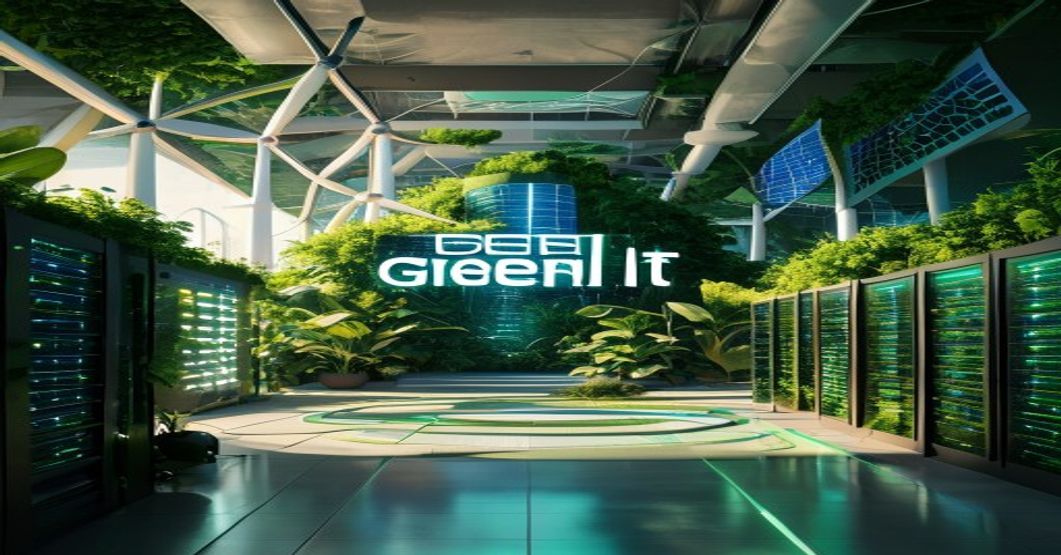
Powering a Greener Future: The Rise of Sustainable IT and Green Computing
In an era defined by rapid technological advancement, the digital infrastructure that underpins our world is consuming an ever-increasing amount of energy and generating substantial electronic waste. As the urgency of climate change escalates, the tech industry is under growing pressure to address its environmental footprint. This is where Sustainable IT, often synonymous with Green Computing, emerges as a critical paradigm, advocating for environmentally responsible and energy-efficient use of computers and related resources.
Sustainable IT isn’t merely a trend; it’s a strategic imperative for businesses and a fundamental shift in how technology is designed, deployed, and managed. It encompasses a holistic approach, from manufacturing processes and energy consumption to end-of-life disposal, aiming to minimize the environmental impact while maintaining economic viability and social responsibility.
Why Green IT Matters More Than Ever
The digital world, while intangible, has a very tangible environmental cost. Consider these key impacts:
- Energy Consumption: Data centers alone consume an estimated 1-3% of global electricity, a figure projected to rise. This energy often comes from non-renewable sources, contributing significantly to greenhouse gas emissions.
- Electronic Waste (E-waste): The rapid obsolescence of devices leads to mountains of e-waste, which contains toxic materials like lead, mercury, and cadmium. Improper disposal contaminates soil and water, posing severe health risks.
- Resource Depletion: Manufacturing tech hardware requires vast amounts of rare earth minerals and other finite resources, often extracted through environmentally damaging processes.
- Supply Chain Impact: The global supply chain for technology products contributes to emissions through transportation, and unethical labor practices are unfortunately common in some manufacturing regions.
Beyond the environmental imperative, embracing Green IT offers substantial business benefits, including cost savings through reduced energy consumption, enhanced brand reputation, and compliance with increasingly stringent environmental regulations.
The Key Pillars of Sustainable IT
Achieving sustainability in IT requires a multi-faceted approach, touching every layer of the technology stack and its lifecycle:
1. Energy Efficiency and Optimization
- Data Center PUE (Power Usage Effectiveness) Improvement: Optimizing cooling, power distribution, and server utilization to reduce non-computing energy overhead.
- Hardware Efficiency: Utilizing energy-efficient processors, SSDs, and power supplies. Consolidating servers through virtualization to reduce the physical footprint and power draw.
- Cloud Computing: Leveraging hyperscale cloud providers can be more energy-efficient than on-premise solutions due to economies of scale, higher utilization rates, and often, renewable energy investments by providers.
- Renewable Energy Integration: Powering IT infrastructure directly with solar, wind, or other renewable energy sources.
2. Resource Optimization and Management
- Virtualization and Containerization: Running multiple virtual machines or containers on a single physical server dramatically increases resource utilization and reduces hardware needs.
- Serverless Architectures: Paying only for compute resources used, leading to highly efficient resource allocation and reducing idle server time.
- Green Coding Practices: Developing software that is optimized for performance, uses fewer resources, and executes efficiently, thus consuming less energy.
3. E-waste Management and Circular Economy Principles
- Extended Product Lifespan: Designing hardware for durability, repairability, and upgradability to extend its useful life.
- Responsible Disposal and Recycling: Partnering with certified recyclers to ensure toxic components are handled safely and valuable materials are recovered.
- Refurbishment and Reuse: Implementing programs to refurbish and reuse old equipment, donating it to schools or non-profits.
- Waste Reduction: Minimizing packaging, using recycled materials in manufacturing.
4. Sustainable Supply Chain and Procurement
- Ethical Sourcing: Partnering with suppliers who adhere to environmental and labor standards.
- Eco-Friendly Procurement: Prioritizing hardware and software from vendors committed to sustainability.
- Transparency: Demanding transparency in the supply chain to track the environmental footprint of products from raw material to delivery.
Benefits Beyond Environmental Impact
While environmental stewardship is the primary driver, the adoption of Sustainable IT yields a cascade of advantages for organizations:
- Cost Savings: Reduced energy bills, lower hardware procurement costs through extended lifespans, and minimized waste disposal expenses.
- Enhanced Brand Reputation: Demonstrating commitment to sustainability appeals to environmentally conscious customers, investors, and employees.
- Regulatory Compliance: Staying ahead of evolving environmental laws and avoiding potential fines or penalties.
- Increased Operational Efficiency: Optimized systems often run better, are more reliable, and can lead to improved overall performance.
- Talent Attraction and Retention: A strong corporate social responsibility (CSR) stance is increasingly attractive to top talent.
Challenges on the Path to Green IT
Implementing Sustainable IT is not without its hurdles:
- Initial Investment: Upgrading to energy-efficient hardware or infrastructure can require significant upfront capital.
- Complexity of Legacy Systems: Integrating green practices into existing, often outdated, IT infrastructure can be challenging and costly.
- Lack of Standardization: Measuring and reporting environmental impact in IT can be inconsistent due to a lack of universally adopted standards.
- Cultural Resistance: Overcoming inertia and resistance to change within an organization requires strong leadership and education.
- Greenwashing Concerns: The risk of companies making exaggerated or misleading claims about their environmental efforts can erode trust.
The Future of Green Computing: Innovation and Integration
The journey towards truly sustainable IT is continuous, fueled by ongoing innovation:
- AI for Energy Optimization: Artificial intelligence and machine learning algorithms are increasingly being used to predict and optimize energy consumption in data centers and across networks.
- Advanced Materials: Research into biodegradable components and more sustainable manufacturing materials for hardware.
- Edge Computing with Green Principles: Designing edge devices and micro-data centers for ultra-low power consumption and renewable energy integration.
- Blockchain for Supply Chain Transparency: Utilizing distributed ledger technology to create immutable records of product origins and environmental impact.
- Circular Economy Integration: Moving beyond just recycling to designing products that can be perpetually reused, refurbished, or remanufactured.
Conclusion: A Sustainable Digital Horizon
Sustainable IT and Green Computing represent more than just a responsible choice; they are a strategic necessity for the modern enterprise. By integrating environmental consciousness into every facet of technology – from procurement and development to operation and disposal – organizations can significantly reduce their ecological footprint, realize substantial economic benefits, and build a resilient, future-proof digital infrastructure. The path forward demands continuous innovation, cross-industry collaboration, and a collective commitment to powering a greener, more sustainable digital horizon for all.







Leave a Reply