
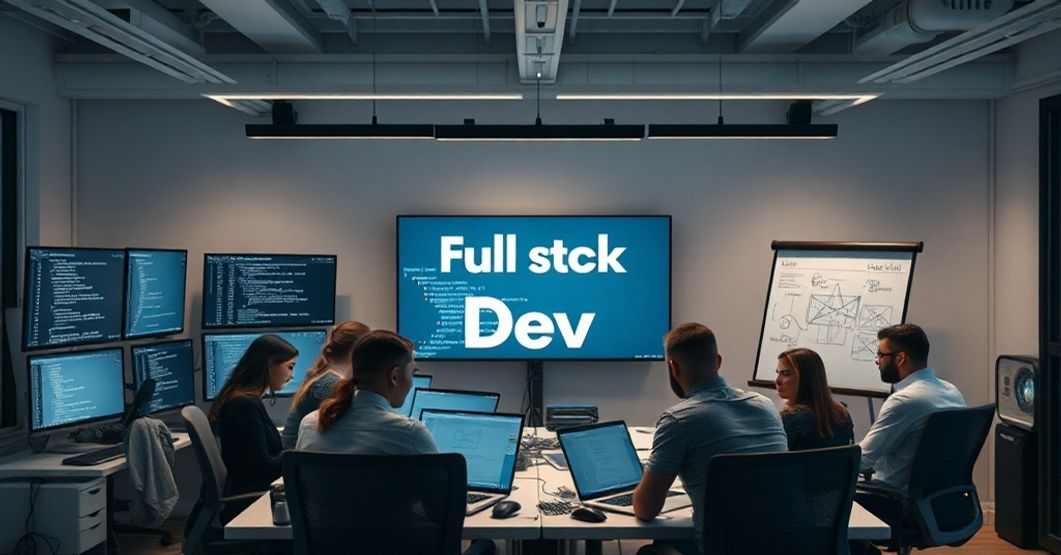
Mastering Full-Stack Development: A Comprehensive Guide to Building Modern Web Applications
In today’s digital age, full-stack development has become an essential skill for any aspiring web developer. With the ever-evolving nature of technology, it is crucial to stay up-to-date with the latest trends and tools in order to create robust and dynamic web applications.
What is Full-Stack Development?
Full-stack development refers to the process of developing both the frontend (client-side) and backend (server-side) portions of a web application. This includes everything from designing user interfaces, writing server-side code, managing databases, and ensuring the overall functionality and performance of the application.
Why is Full-Stack Development Important?
- Complete Understanding: Full-stack developers have a comprehensive understanding of how all the different parts of a web application work together. This allows them to make informed decisions and optimize the overall architecture.
- Efficiency: Having control over both frontend and backend development can streamline the development process, reduce communication gaps between teams, and ultimately speed up time-to-market.
- Problem Solving: Full-stack developers are versatile problem solvers who can address issues across the entire application stack.
Key Technologies for Full-Stack Development
Here are some of the key technologies and frameworks that are commonly used in full-stack development:
Frontend (Client-Side)
- HTML & CSS: The foundation of any web application, HTML structures content while CSS styles it.
- JavaScript: A powerful programming language that brings interactivity to web pages. Modern frameworks like React, Angular, and Vue.js have become popular choices for building dynamic user interfaces.
Backend (Server-Side)
- Node.js: A JavaScript runtime built on Chrome’s V8 engine, allowing developers to write server-side code using JavaScript.
- PHP: A widely used server-side scripting language known for its simplicity and flexibility.
- Python: Renowned for its readability and versatility, Python is often preferred for backend development due to frameworks like Django and Flask.
Databases & Data Management
Full-stack developers should have a good understanding of relational (SQL) and NoSQL databases. Common choices include MySQL, PostgreSQL, MongoDB, and Firebase.
Getting Started with Full-Stack Development
Here’s a step-by-step guide to help you get started on your full-stack development journey:
- Learn the Basics: Begin by understanding HTML, CSS, and JavaScript for frontend development. Then move on to server-side languages like Node.js or Python.
- Choose a Framework: Explore popular frontend frameworks (React, Angular) and backend frameworks (Express.js, Django). This will help you build applications faster and more efficiently.
- Practice with Projects: Apply your skills by building small projects like personal blogs or e-commerce websites. Online platforms like GitHub provide excellent resources for learning through real-world examples.
- Explore Databases: Gain experience working with different types of databases such as MySQL, MongoDB, etc., to understand data management and querying languages.
- Collaborate & Learn: Engage in online communities, forums, and groups where you can connect with other developers. Sharing knowledge and collaborating on open-source projects is invaluable for growth.
Best Practices in Full-Stack Development
To become a successful full-stack developer, it’s important to follow best practices such as:
- Version Control: Use Git for tracking changes and collaborating with others. Platforms like GitHub offer excellent hosting services for your projects.
- Testing & Debugging: Implement unit tests and debugging techniques early in the development process to catch issues before they become major problems.
- Security Measures: Stay updated with security best practices, including input validation, sanitization, and protecting against common web vulnerabilities like cross-site scripting (XSS) or SQL injection attacks.
Continuous Learning & Adaptation
The tech landscape is constantly evolving, so it’s crucial to stay updated with the latest trends and technologies. Here are some tips for continuous learning:
- Online Courses: Platforms like Coursera, Udemy, and edX offer a wide range of courses on full-stack development topics.
- Blogs & Articles: Follow tech blogs, websites like Medium or Dev.to for insightful articles and tutorials.
- Networking: Attend conferences, meetups, and workshops where you can connect with industry professionals and learn about emerging technologies.
Conclusion
Mastering full-stack development is an exciting journey that opens up numerous opportunities in the web development field. By following this guide, you’ll be well on your way to becoming a proficient full-stack developer capable of building modern, dynamic web applications.
Note: This article provides an overview of full-stack development. For in-depth learning, further research and hands-on practice are recommended.











Leave a Reply