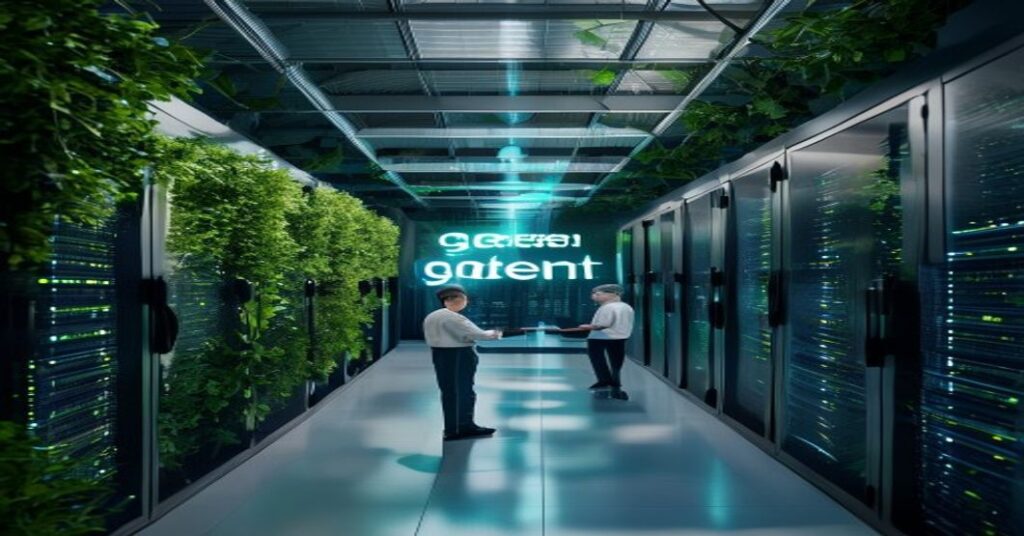

Beyond Bits and Bytes: Forging a Sustainable Future with Green IT
The digital revolution has transformed nearly every aspect of human life, offering unparalleled convenience, connectivity, and innovation. Yet, this remarkable progress comes with a hidden cost: a substantial environmental footprint. From energy-guzzling data centers to mountains of electronic waste, the information technology (IT) sector contributes significantly to global carbon emissions and resource depletion. Enter Sustainable IT, a critical paradigm shift that seeks to minimize the environmental impact of technology while simultaneously leveraging its power to solve broader ecological challenges.
The Ecological Footprint of Our Digital World
Understanding the scale of IT’s environmental impact is the first step toward addressing it. The digital world is not ethereal; it relies on vast physical infrastructures and processes:
- Energy Consumption: Data centers alone are estimated to consume around 1-2% of global electricity, a figure projected to rise. This energy powers servers, cooling systems, and networking equipment, often sourced from fossil fuels.
- Hardware Manufacturing: The production of devices—smartphones, laptops, servers—requires significant amounts of rare earth minerals, precious metals, and vast energy inputs. Mining and manufacturing processes can be environmentally destructive and resource-intensive.
- Electronic Waste (E-Waste): The rapid obsolescence cycle of technology leads to an escalating problem of e-waste, much of which contains hazardous materials like lead, mercury, and cadmium. Improper disposal contaminates soil and water, posing serious health risks.
- Water Usage: Data centers require substantial amounts of water for cooling, a critical concern in regions facing water scarcity.
Pillars of Sustainable IT: Strategies for a Greener Digital Landscape
Sustainable IT encompasses a holistic approach, integrating environmental considerations into every stage of the technology lifecycle, from design to disposal. Key strategies include:
1. Green Software Development
Software, often perceived as intangible, plays a crucial role in hardware’s energy consumption. “Greener” code can significantly reduce the energy demands of the systems it runs on.
- Energy-Efficient Algorithms: Choosing algorithms that achieve results with fewer computational cycles or less memory can directly translate to lower energy usage.
- Resource Optimization: Designing applications that efficiently utilize CPU, memory, and network resources, and release them promptly, prevents unnecessary power draw.
- Carbon-Aware Software: Developing applications that can intelligently shift workloads to times when renewable energy is more abundant on the grid, or to data centers powered by green energy.
- “Lean” Code: Minimizing code bloat and optimizing for performance reduces the processing power needed to execute tasks.
2. Sustainable Infrastructure and Operations
The physical backbone of IT offers numerous opportunities for significant environmental gains.
- Energy-Efficient Data Centers:
- Power Usage Effectiveness (PUE): A key metric where a PUE closer to 1.0 indicates higher efficiency (ratio of total facility power to IT equipment power).
- Optimized Cooling: Implementing hot/cold aisle containment, liquid cooling, and leveraging natural free cooling where climates allow.
- Renewable Energy Integration: Sourcing electricity from wind, solar, or hydro power, either directly or through renewable energy credits.
- Hardware Lifecycle Management:
- Extended Lifespan: Prioritizing robust, repairable hardware and extending its useful life through maintenance and upgrades.
- Virtualization and Consolidation: Running multiple virtual machines on fewer physical servers reduces hardware footprint and energy consumption.
- Cloud Optimization: Leveraging cloud provider services effectively, right-sizing instances, and adopting serverless architectures to pay only for consumed resources.
3. E-Waste Reduction and Management
Addressing the growing problem of electronic waste is paramount.
- Reduce: Extending product lifecycles and reducing the need for new purchases.
- Reuse: Refurbishing and redeploying equipment within an organization or donating it.
- Recycle: Partnering with certified e-waste recyclers who adhere to strict environmental standards, ensuring hazardous materials are safely processed and valuable components recovered.
- Circular Economy Principles: Designing products for disassembly, repair, and recycling from the outset.
4. Green Networking
The vast network infrastructure connecting our devices also consumes considerable energy.
- Low-Power Equipment: Deploying energy-efficient routers, switches, and other networking gear.
- Intelligent Traffic Management: Optimizing network protocols and data routing to reduce unnecessary data transfer and power consumption.
- Power-Saving Features: Utilizing features like Ethernet Green (EEE) which allows network devices to go into low-power idle states during periods of inactivity.
Leveraging Technology for Broader Sustainability Goals
Beyond reducing its own footprint, IT can be a powerful enabler for sustainability across other industries and aspects of life.
- Internet of Things (IoT) for Resource Monitoring: Smart sensors can monitor energy, water, and waste in real-time within smart cities, buildings, and agriculture, enabling optimization and conservation.
- Artificial Intelligence & Machine Learning: AI can optimize energy grids, predict resource demand, enhance logistics to reduce fuel consumption, and model climate change scenarios.
- Blockchain for Transparency: Distributed ledgers can provide transparent and immutable tracking of supply chains, verifying sustainable sourcing and ethical labor practices.
- Data Analytics for Environmental Insights: Big data analysis can uncover patterns, identify inefficiencies, and inform policy decisions related to environmental protection and resource management.
Challenges and the Path Forward
Implementing comprehensive Sustainable IT strategies is not without its hurdles:
- Initial Investment: Upgrading to energy-efficient hardware or redesigning legacy systems can require significant upfront capital.
- Lack of Awareness and Expertise: Many organizations may not fully grasp the environmental impact of their IT or possess the specialized knowledge to implement greener solutions.
- Rapid Technological Evolution: The fast pace of innovation can make it challenging to keep up with the latest sustainable practices and prevent new forms of e-waste.
- Measuring Impact: Accurately quantifying the environmental benefits of sustainable IT initiatives can be complex.
Overcoming these challenges requires a concerted effort involving:
- Government Policies and Regulations: Incentivizing green tech adoption and mandating responsible e-waste management.
- Industry Standards and Collaboration: Developing common metrics, best practices, and open-source tools for sustainable IT.
- Education and Training: Equipping IT professionals with the skills and knowledge to build and manage sustainable systems.
- Corporate Responsibility: Integrating sustainability into core business strategies and reporting.
Conclusion: A Collective Responsibility for a Greener Digital Future
Sustainable IT is no longer a niche concern; it is a fundamental imperative for businesses, governments, and individuals alike. By meticulously addressing the environmental impact of our digital infrastructure and proactively leveraging technology to foster broader ecological goals, we can build a future where innovation and sustainability coexist harmoniously. The choice is clear: embrace green IT, or risk a future where our digital progress comes at an unbearable cost to our planet. It’s time for the tech industry to lead the charge towards a truly sustainable tomorrow.